What Licence Do You Need to Drive a Bus in the UK? | PCV Guide
To drive a bus in the UK for hire or reward, you need a full Category D (PCV) licence. If you passed your standard car test (Category B) before 1 January 1997, you likely have provisional D1 entitlement automatically, but if you passed after that date, you must apply to the DVLA for provisional entitlement before you can start training. You will also need a valid Driver CPC (Certificate of Professional Competence) qualification to drive professionally.
What is a PCV Licence and Why Does it Matter?
If you are looking at bus driving as a career change or you run a business that requires moving large groups of people, understanding the licensing system is the first hurdle. In the UK, licences for large passenger vehicles are grouped under the umbrella term PCV (Passenger Carrying Vehicle). While “PCV” is the category name used by the DVLA, the specific category you need for a standard single-decker or double-decker bus is Category D.
The terminology can get confusing because a “bus licence” is not a separate document. It is simply your standard UK photocard driving licence with the Category D entitlement added to it. This entitlement is awarded after you pass the Driver and Vehicle Standards Agency (DVSA) theory and practical tests.
Category D Licence: The Standard Bus Licence
The most important category to understand is Category D. This is the licence that allows you to drive any bus or coach with more than 8 passenger seats. There is no upper limit on the length of the vehicle or the number of seats with a full Category D licence.
What you can drive with a Category D licence:
- Single-decker buses
- Double-decker buses
- Coaches (including articulated “bendy” buses)
If you are asking yourself, “What licence do I need to drive a coach in the UK?” the answer is exactly the same: Category D. In the eyes of the DVLA, a coach and a bus are mechanically identical regarding the licence required. The difference between a bus and a coach is usually down to the seating layout, luggage capacity, and the type of service operated, but the licence category is identical.
The Minimum Age and Provisional Requirements
You cannot simply book a practical test for a bus without preparation. You must meet specific criteria set by the DVLA before you can even sit behind the wheel of a training vehicle.
The Medical and Provisional Process:
- Age: You must be at least 18 years old to start training for a Category D licence, but you cannot actually drive commercially until you are 21, unless you meet specific criteria (such as being in the armed forces or completing a formal PCV apprenticeship). For standard commercial use, 21 is the magic number.
- Provisional Entitlement: If you passed your car test after 1997, your driving licence will likely only show provisional entitlement for a car, motorbike, and small vehicles. You need to apply to the DVLA to get provisional Category D entitlement. This involves completing the D2 application form and the D4 medical form.
- The D4 Medical: The D4 form must be completed by a doctor. This is a stringent medical examination covering your eyesight, blood pressure, heart health, and neurological function. You cannot skip this. The standards for bus drivers are higher than for car drivers due to the responsibility of carrying passengers.
The Theory and Hazard Perception Tests
Once the DVLA grants you provisional entitlement, the studying begins. The testing process mirrors the car licence process but at a much higher standard and with additional safety-critical modules.
You need to pass two computer-based tests before you can book your practical training:
- Multiple Choice Theory Test: This focuses on road safety, vehicle weights, driver hours, and passenger safety. It is specific to large vehicles.
- Hazard Perception Test: This uses video clips to test your ability to spot developing hazards. The pass mark is higher than the standard car test.
Once you have passed both of these, you receive a theory test certificate. This certificate is valid for two years, and you must pass your practical test within that window, or you will have to retake the theory.
The Practical Driving Test: What to Expect
The practical test for a bus is not a quick drive around the block. The DVSA examiner will put you through a rigorous assessment that typically lasts around 90 minutes.
The test includes:
- Vehicle Safety Questions: The examiner will ask you “show me, tell me” questions related to the bus’s braking systems, emergency exits, and fluid levels.
- Road Driving: You will navigate a variety of road types, from busy city centres in places like Birmingham or Glasgow to rural roads and high-speed dual carriageways.
- Reversing Exercise: You will be asked to complete a reversing manoeuvre, often simulating a stand reverse or a reverse into a bay, which is a common cause of test failures.
- Controlled Stop (Braking): You must demonstrate you can brake smoothly and safely without throwing passengers around.
Driver CPC: The Legal Requirement for Paid Work
Passing your Category D practical test gives you the licence to drive a bus, but it does not necessarily give you the legal right to be paid to drive one. This is where the Driver CPC (Certificate of Professional Competence) comes in.
The Initial Qualification (CPC):
To drive a bus or coach professionally in the UK, you must hold a Driver Qualification Card (DQC). To get this card, you must complete the CPC Initial Qualification. This consists of two parts:
- Case Studies Test: A computer-based test that presents real-world scenarios you might face as a professional driver.
- Practical Demonstration Test: This is usually taken alongside your standard practical driving test and covers vehicle safety checks and emergency procedures.
Once you have passed all four parts (Theory, Hazard Perception, Case Studies, Practical Demonstration), you can apply for your DQC.
Ongoing Periodic Training:
Your CPC is not a “pass and forget” qualification. To keep your DQC valid, you must complete 35 hours of periodic training every 5 years. This training is conducted in blocks (usually 7 hours per day). If you do not complete the training on time, your DQC expires, and you are legally prohibited from driving professionally until you catch up.
Exemptions and “Grandfather Rights”
There is a significant caveat for older drivers that is important to mention.
If you passed your Category B (car) driving test before 1 January 1997, you may have been granted “Grandfather Rights.” This means your licence may already show provisional entitlement for C1 and D1, and in some cases, you may have automatically received full D1 (not D) entitlement without taking a test.
D1 vs D: What is the difference?
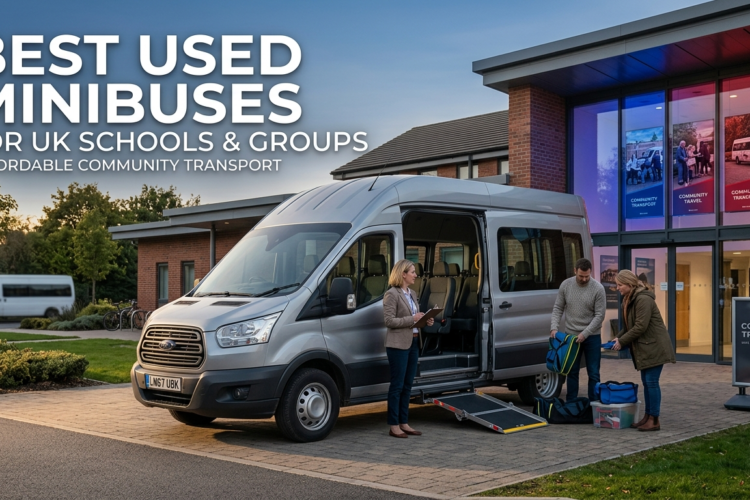
- Category D1 (Minibus): This allows you to drive a minibus with between 9 and 16 passenger seats, with a maximum length of 8 metres.
- Category D (Bus/Coach): This allows you to drive any bus with more than 8 passenger seats, with no length restriction.
If you have grandfather rights for D1, you can drive a minibus, but you cannot drive a full-size bus or coach. You would still need to take the full Category D test to upgrade.
Medical Standards and Ongoing Health Checks
Driving a bus in the UK is tied strictly to your medical fitness. While a car licence lasts until you are 70, a bus licence has a shorter validity period.
Key Medical Facts:
- Licence Renewal: A Category D licence must be renewed every 5 years until you are 45, then every year until you are 65. Once you reach 65, you must renew every year.
- Eyesight: Your vision must meet a higher standard than the car requirement. You must be able to read a number plate from 20 metres and meet the Group 2 medical standards for visual acuity.
- Heart Conditions: Any heart condition, high blood pressure, or diabetes treated with insulin will require specialist reports to the DVLA. The DVLA often liaises directly with your GP or consultant.
Costs Involved in Getting Your Bus Licence UK
Be prepared for a financial commitment. Getting your Category D licence is rarely cheap, but it is an investment in a career.
Typical Costs (Approximate figures):
| Item | Estimated Cost |
|---|---|
| D4 Medical Examination | £60 – £120 |
| Theory and Hazard Perception Tests | £26 – £50 |
| CPC Case Studies Test | £23 |
| Practical Driving Test (DVSA fee) | £115 (weekday) / £141 (evening/weekend) |
| CPC Practical Demonstration | £55 |
| Training (lessons) | £1,500 – £3,000+ |
The training cost is the variable. Most people require 15 to 25 hours of professional tuition in a bus before they are test-ready. If you are starting from scratch without a car licence, the costs and time scale increase significantly.
Buying a Bus in the UK: A Note for Buyers
At TopSellUKCars, we occasionally see buyers who are looking to purchase a bus or a coach for private use, such as a conversion project or for a private school transport contract. If you are buying a vehicle, you do not need to hold the licence yourself to purchase it or to have it delivered.
You can buy, insure, and store a bus with a standard car licence, provided you do not drive it on public roads. If you are purchasing a vehicle through our platform but do not hold a Category D licence, you will need to arrange for a qualified driver or a professional transport company to collect it.
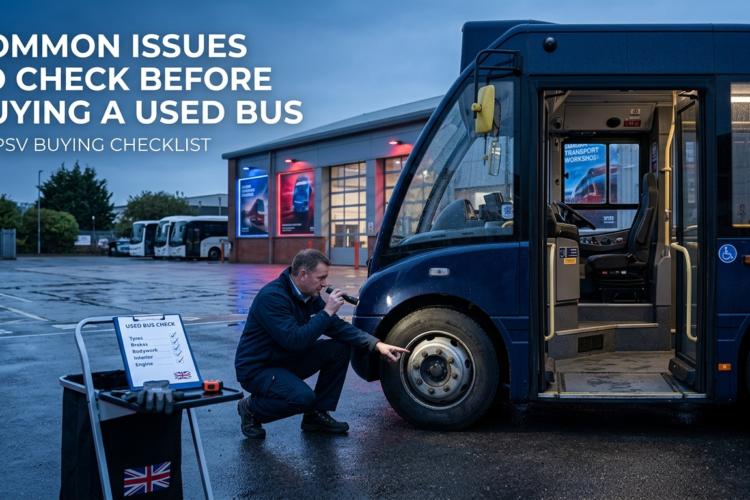
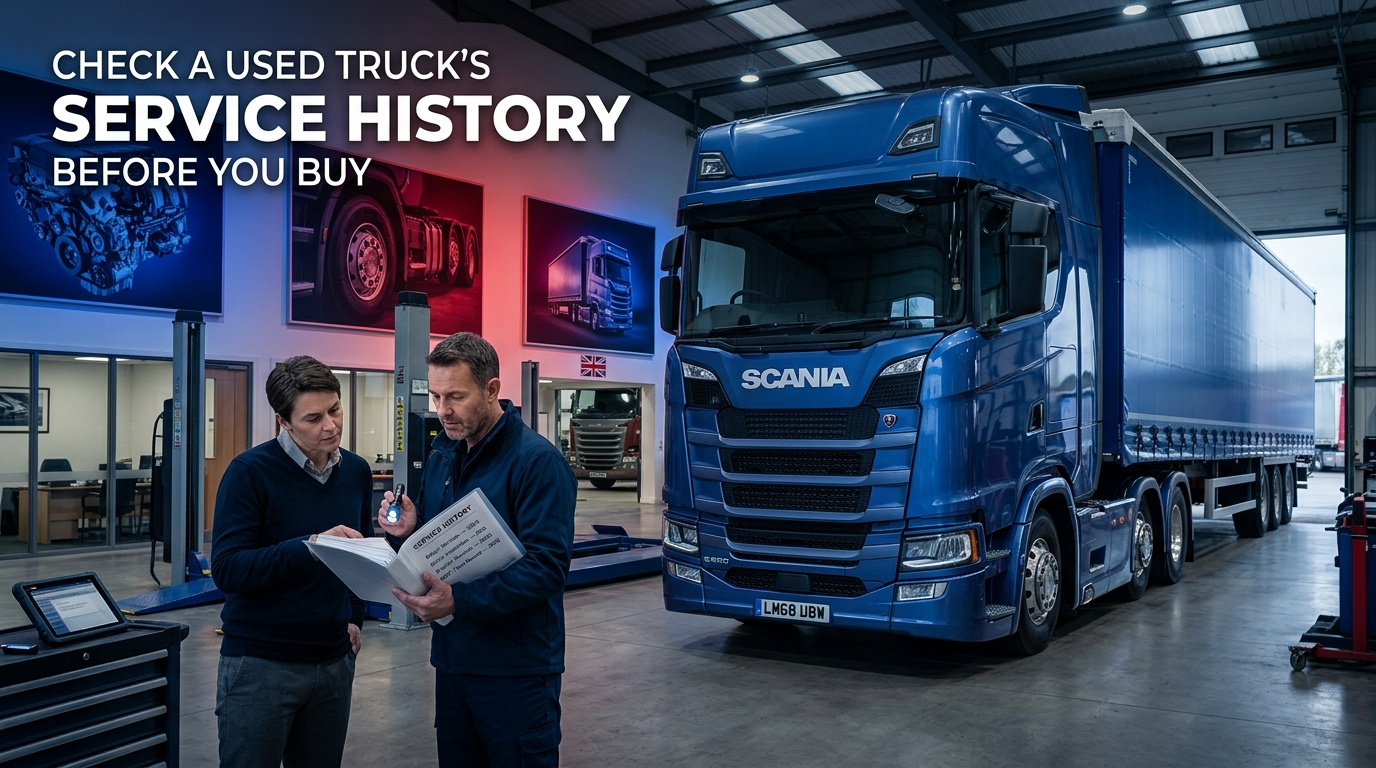
Before buying any used bus or coach, ensure you run a full history check. Similar to a car, a bus can hide a problematic past. You should check the MOT history for heavy vehicles (which is often more stringent than car MOTs) and verify the service records. For a complete guide on verifying a vehicle’s past, you can read our article on how to check a used vehicle’s history before buying.
Summary
To drive a bus in the UK, you must hold a Category D licence and, for professional work, a valid Driver CPC card. You must be at least 18 to learn, 21 to drive commercially, and you must pass a rigorous medical exam before you even start. The process involves passing the theory tests, the case studies test, and a 90-minute practical driving exam. Once you have your licence, you are committing to ongoing medical checks and 35 hours of training every five years. It is a demanding process, but it ensures that UK roads are safe for passengers and other road users.