Used Bus Insurance Cost UK: 2026 Budget Guide | TopSellUKCars
How Much Does It Cost to Insure a Used Bus in the UK?
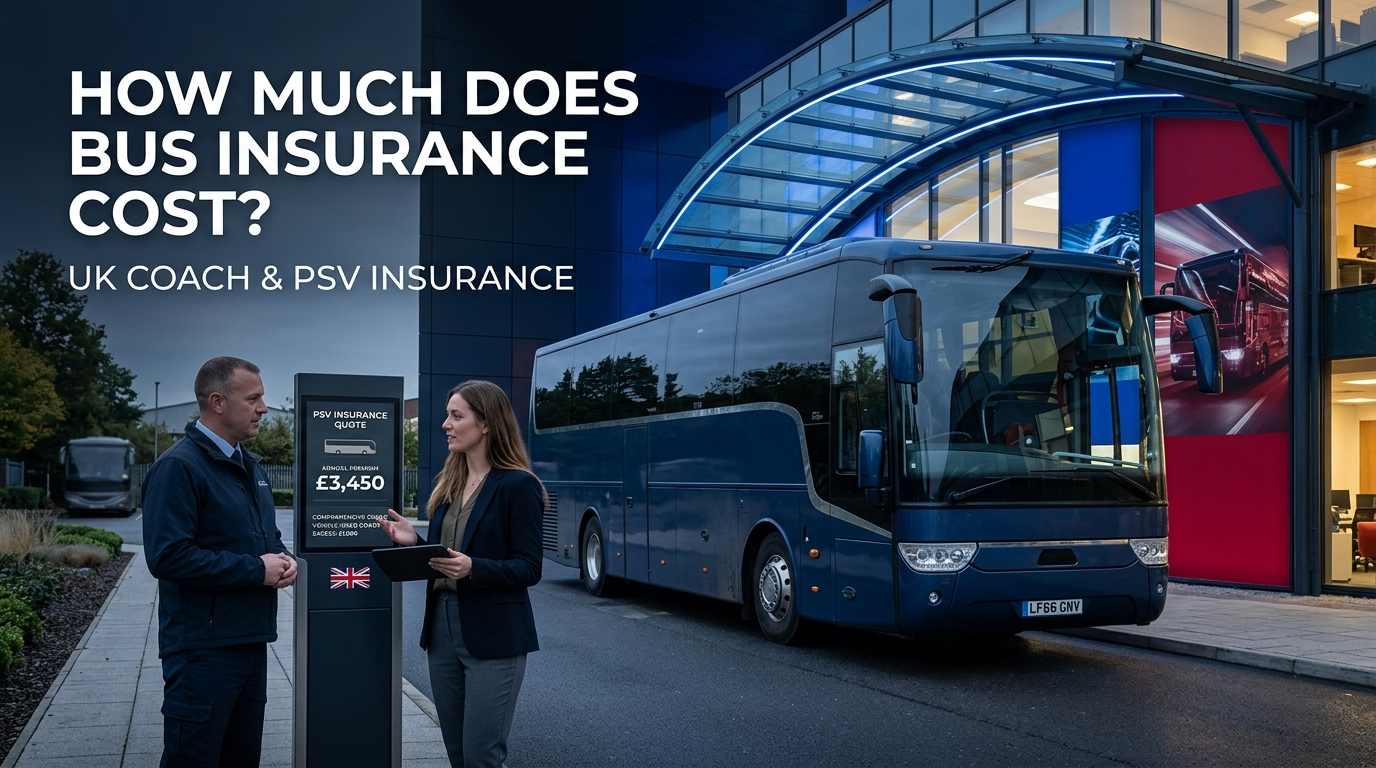
For a used bus in the UK, annual insurance typically lands somewhere between £1,200 and £5,000. A small private minibus or converted bus can start around £800, while a double-decker or coach used for hire or reward can easily pass £6,000 a year. These are broad guide prices from specialist brokers, not quotes.
If you’re browsing buses for sale on TopSellUKCars, the insurance bill is usually the biggest annual cost after fuel and maintenance. It’s worth getting quotes before you agree to buy.
What does bus insurance cost in the UK?
Bus insurance is not a single product. The price changes depending on whether the vehicle is a minibus, a single-decker bus, a double-decker, a coach or a private conversion. Underwriters look at how many seats it has, who will drive it and what it will be used for.
The table below gives a rough idea of current UK pricing for a clean record, comprehensive cover and a secure overnight location.
| Vehicle type | Typical use | Rough annual cost range |
|---|---|---|
| Minibus (up to 16 seats) | Private, school, community or charity | £700–£2,500 |
| Single-deck bus (17–50 seats) | Commercial local route or school contract | £1,500–£5,000 |
| Double-decker bus | Commercial service or private conversion | £2,000–£7,000+ |
| Coach (30+ seats) | Private hire, tour or long-distance work | £2,500–£8,000+ |
| Converted bus or motorhome | Private leisure | £800–£3,500 |
These ranges are indicative. A bus kept on a private yard outside Leeds will usually cost less to insure than one parked on a residential street in London. A 25-year-old driver with a new PCV licence will pay more than a 50-year-old with ten years’ clean claims.
What is PSV insurance and when do you need it?
PSV stands for Passenger Service Vehicle. In the UK, a bus or coach carrying passengers for hire or reward is a PSV and needs to be operated under a PSV Operator’s Licence issued by the Traffic Commissioner. “PSV insurance” is the industry term for cover that includes public liability and passenger liability, not just vehicle damage.
You need PSV insurance if you’ll carry paying passengers, run a school contract, operate a private hire coach, or run any commercial passenger service. You don’t need it if you’re converting a bus into a motorhome, using it privately for a rally, or keeping it as a static display. But you must tell the insurer exactly how the vehicle will be used because standard car and van policies won’t cover a bus.
How is bus insurance different from car or van insurance?
Car insurance is rated by insurance groups and largely driven by the driver, postcode and car value. Bus insurance is underwritten differently. The number of seats matters because it affects third-party liability. A 16-seat minibus and a 70-seat coach are not the same risk, even if both cost £20,000 to buy.
You’ll also find that most car comparison sites won’t give you bus insurance quotes. Specialist commercial brokers quote these policies. They’ll ask for the registration number, the exact seating capacity from the V5C, the gross vehicle weight, and the proposed use. Without that information, the quote is guesswork.
What affects the cost of insuring a used bus?
Five things move your premium more than anything else.
Use. A bus used for private leisure is cheaper to insure than one carrying paying passengers. Community minibus work sits somewhere in the middle, depending on whether drivers are volunteers and mileage is low.
Seating capacity and weight. More seats mean more potential passengers and a larger liability exposure. A larger vehicle is also more likely to cause third-party damage in a collision.
Drivers. Named drivers with clean PCV category D licences and several years’ experience attract lower premiums. If you need an “any driver over 25” policy for a coach, expect to pay more.
Location and security. Where the bus is kept overnight matters. A secured yard with CCTV, locked gates and a Thatcham-approved immobiliser or tracker will reduce the risk of theft and malicious damage claims.
Mileage and route type. A coach covering long motorway miles on private hire work is a greater accident risk than a minibus doing a local school run twice a day.
How to get accurate minibus insurance quotes before you buy
If you’re still at the buying stage, get provisional quotes before you commit. This can reveal a cheap-looking minibus that would cost thousands to insure.
- Confirm the seating capacity and gross vehicle weight from the V5C logbook, not just the advert.
- Decide the exact use: private, community, hire or reward, or conversion.
- Have the registration number ready. Most brokers won’t quote without it.
- Contact at least three specialist brokers, not a car comparison site.
- Give them the same information so the quotes are comparable.
- Ask whether the quote includes public liability, breakdown cover and legal expenses.
Some insurers will only offer third party, fire and theft on older buses or unusual conversions. That isn’t always a problem, but it changes the comparison if another quote is comprehensive.
Minibus vs coach insurance: what’s the difference?
Coach insurance in the UK is usually priced separately from minibus insurance because coaches carry more passengers, cover higher motorway mileage and often use a wider pool of drivers. A coach used for private hire may also need cover for EU travel if you take tours abroad, which adds cost.
A minibus used by a church group, school or sports club is usually cheaper to insure because the journeys are regular, local and driven by named volunteers. If you run a minibus for profit rather than under a Section 19 permit, the policy changes from community minibus insurance to commercial minibus insurance, and the premium rises.
Does a private bus conversion need PSV insurance?
No, if you convert a bus into a motorhome or private living space, you don’t need PSV insurance. But you should not just take out a standard motorhome policy without telling the insurer it was originally a bus.
The DVLA may want to reclassify the vehicle on the V5C. If the bus still has more than eight passenger seats, some insurers will continue to treat it as a bus until the conversion is finished and the logbook is updated. Keep photos of the conversion work and be ready to provide an engineer’s report if an insurer asks for one. Converted bus insurance is a niche area, so expect to answer more questions than you would for a standard campervan.
Do you need an Operator’s Licence before you can insure a used bus?
You can get quotes without one, but a commercial PSV policy won’t usually go live until you have a valid Operator’s Licence number. The Traffic Commissioner issues these licences, and the insurer will ask for the number before the policy starts.
If you’re buying a bus first and applying for the licence later, get provisional quotes and make the purchase conditional on the licence being granted. That avoids being left with a bus you can’t legally use for commercial work.
What to check before you buy a used bus
Insurance is only one part of the budget. Before you pay a deposit, check these.
The V5C logbook. Does the seating capacity match the advert? If seats have been removed, the DVLA needs to know, and the insurance quote may change.
MOT or PSV test. A full-size bus or coach used commercially doesn’t have a standard car MOT. It needs a valid PSV test certificate from DVSA. A minibus under 3.5 tonnes used privately may have an ordinary MOT. Ask for the correct document.
HPI check. Run a vehicle history check. This can show outstanding finance, previous damage or whether the bus is recorded as stolen. Buses can be financed just like cars, and a cheap price is sometimes because there is still a loan secured against the vehicle.
VED and tax class. Check the current VED class with the DVLA. A bus taxed as a PSV for commercial use may have different rates from one taxed as a private HGV or motor caravan. If you change the use, update the V5C so the tax class is correct.
Insurance before handover. Ask a broker to run a quote on the exact registration before you pay. You don’t have to buy the policy then, but it tells you whether the bus is insurable at a price you can afford.
Summary
A used bus can look cheap to buy, but the insurance is a serious annual commitment. For private minibuses and conversions, budget from around £800 to £3,500. For commercial buses and coaches, expect £1,500 to £8,000 or more depending on use, drivers and location.
Get specialist quotes early, use the registration number, and make sure the seller has the right paperwork before you part with any money. If you’re comparing purchase prices, browse the bus listings on TopSellUKCars while you compare insurance quotes, so the total cost of ownership is clear before you buy.