Used Vehicle Buying Guide UK: Cars, Trucks, Buses & Bikes Compared
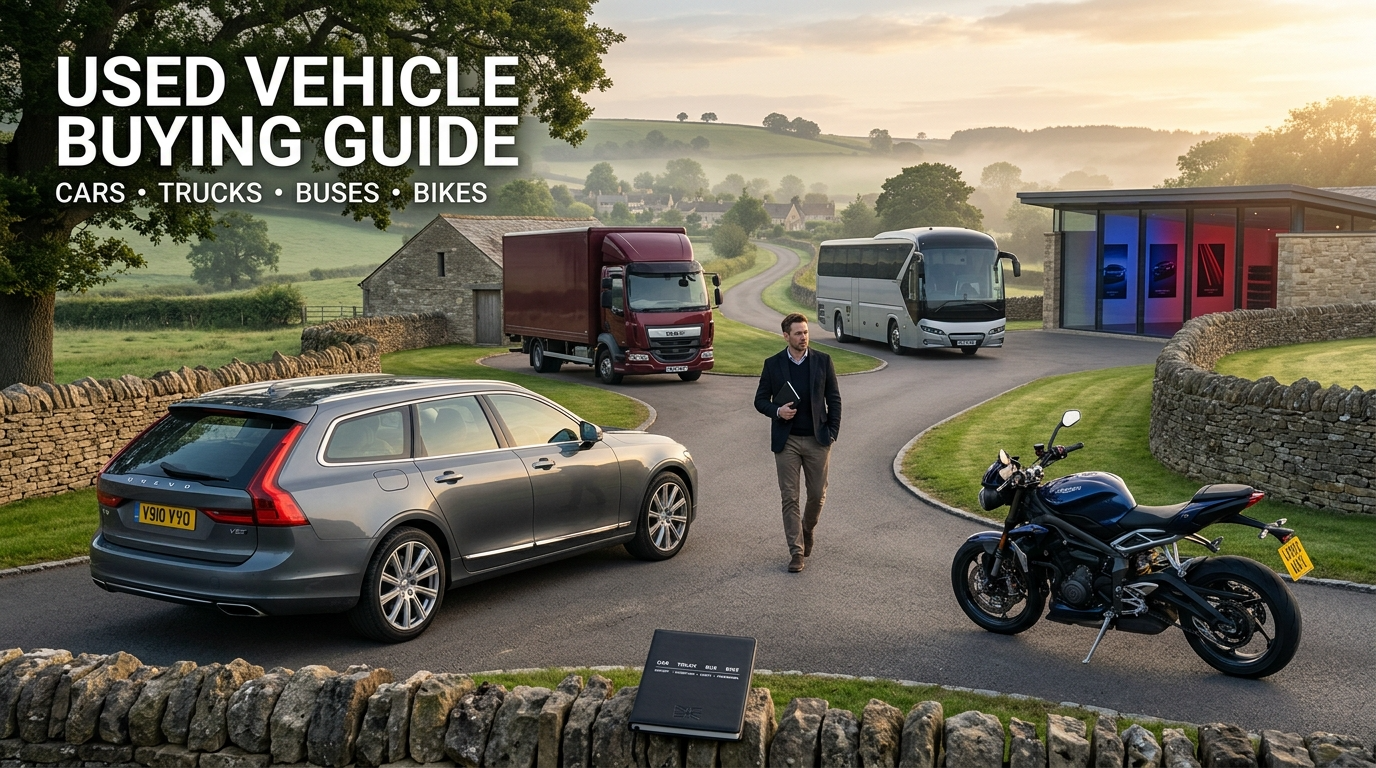
The core difference when buying a used vehicle in the UK comes down to your licence category, what you intend to carry, and how much you are willing to spend on fuel, insurance and maintenance. A used car remains the most practical and affordable option for most private buyers, while a van-derived truck or pickup suits mixed work and personal use. Buses and coaches are rarely a sensible private purchase unless you are running a commercial operation or conversion project, and motorcycles offer the lowest running costs but demand a separate licence entitlement and a higher tolerance for British weather.
If you buy the wrong category of vehicle, you can end up with something you are not legally allowed to drive or a vehicle that costs more to run annually than it did to buy. This guide compares the four main classes side by side, covering legalities, inspections, and the common mistakes UK buyers make when shopping on classifieds platforms.
What licence do you need to drive each vehicle type in the UK?
Before you message a seller on a listings site, check your driving licence. The DVLA categorises vehicles by weight and passenger capacity, and passing a standard car test does not automatically entitle you to drive everything with wheels.
Cars: A standard Category B licence covers you to drive a vehicle up to 3,500kg Maximum Authorised Mass (MAM) with no more than eight passenger seats. That includes most estate cars, MPVs and 4x4s. If you passed your test before 1 January 1997, you likely have additional entitlements, but younger drivers may be restricted to smaller trailers unless they take an extra test.
Trucks and pickups: This is where buyers get caught out. A Ford Ranger or Toyota Hilux is fine on a Category B licence provided the gross vehicle weight stays under 3,500kg. However, many larger flatbeds, tippers and box trucks require Category C1 (3,500kg to 7,500kg) or Category C (over 7,500kg). If you are looking at a 7.5-tonne lorry on a classifieds site, you need a medical, a provisional entitlement and to pass the relevant HGV test. For a detailed breakdown, read our guide on truck licence categories and what C1, C and CE actually mean.
Buses and minibuses: A standard car licence does not allow you to drive a bus for hire or reward. You can drive a minibus with up to 16 passenger seats on a Category B licence only under strict conditions, such as being over 21, having held the licence for two years, and driving it for social purposes for a non-commercial organisation. If you plan to run a private shuttle or community transport service, you likely need a Passenger Carrying Vehicle (PCV) licence, known as Category D1 or D. The rules around section 19 and section 22 permits matter here, and the Traffic Commissioner can take a dim view of operators who skip them.
Bikes: A full Category A licence is needed for unrestricted motorcycles. If you are under 24 or recently passed a test, you may be limited to an A2 bike capped at 35kW. A 125cc machine only requires a CBT (Compulsory Basic Training) certificate, which lasts two years. Buying a 600cc sports bike with only a CBT is a waste of money because you cannot legally ride it home.
How do running costs compare across cars, trucks, buses and bikes?
The purchase price is only the entry fee. Running costs vary massively between the four classes, and ignoring them is the quickest way to regret a purchase.
Cars: The most predictable costs. VED (road tax) for a petrol or diesel car registered after April 2017 is based on CO2 emissions for the first year, then a flat rate of £190 per year from the second year onwards (with a £410 supplement for vehicles with a list price over £40,000 for years two to six). Zero-emission electric cars currently pay no VED, though that changes from April 2025 when EVs move to the standard rate. Insurance for a typical family hatchback in a city like Birmingham or Manchester might run £400 to £800 annually, but that varies heavily by postcode and driver history.
Trucks and pickups: This is where costs climb. Many double-cab pickups are classed as commercial vehicles for benefit-in-kind purposes, but private buyers pay the same light goods vehicle VED rate as a car if under 3,500kg — currently around £335 for most post-2017 models. Fuel is the bigger hit: a 2.0-litre diesel pickup doing 30mpg will cost over £1,100 in fuel for 10,000 miles at current pump prices. Insurance for commercial vehicles can also be higher because insurers assume they will be worked hard. If you are buying a used truck over 3.5 tonnes, you need a goods vehicle operator’s licence if you use it commercially, and that involves proving financial standing and a transport manager. Our beginner’s guide to buying a used truck in the UK covers the operator licence side in more depth.
Buses: Running costs are not really a private consumer concern because very few private individuals buy a bus for personal transport. If you are buying a minibus or coach for a business, you need to budget for six-weekly safety inspections if you hold an operator’s licence, plus tachograph calibration, driver CPC training and significant insurance premiums. A used 17-seat minibus might cost £8,000 to buy but £3,000 a year to insure and maintain even before fuel.
Motorbikes: The cheapest to run on paper. VED for a 600cc bike is around £111 per year, and a 125cc commuter can return 100mpg or more. Insurance is the wild card: a 19-year-old on a 125cc in London can pay over £1,000 for third-party cover, while a 40-year-old on a mid-size naked bike in the North East might pay £150 fully comp. Tyres, chain and sprockets, and more frequent servicing eat into the savings if you ride daily.
Used vehicle checks: what is different for each category?
Every buyer should run the same basic checks regardless of vehicle type: an HPI check for outstanding finance and write-off status, a DVLA MOT history check, and a physical inspection. But the detail of what you look for changes.
Cars: Focus on service history, clutch wear on manuals, timing belt changes on older diesels, and corrosion on sills and arches. The MOT history on the DVLA website tells you more than any seller description — if a car fails every year on suspension components, that is a pattern of neglect, not bad luck. If you are unsure where to start, read our guide on how to check a used car’s history before buying in the UK.
Trucks and pickups: For pickups, check the chassis for off-road damage and the load bed for dents that suggest genuine commercial use. Look for signs the previous owner towed heavy trailers, which accelerates transmission wear. For larger trucks, you need a different level of diligence: tachograph records, laden weight certificates, and a full commercial service history. A cheap 7.5-tonner with no service records is not a bargain — it is a liability. We have a dedicated guide on checking a used truck’s service history before buying.
Buses and minibuses: The big one here is the MOT class. A minibus with more than eight passenger seats is tested as a Class 5 vehicle (or Class 4 if it has eight or fewer), and the inspection includes passenger safety items like emergency exits, seat belt mountings and door interlocks. If you are buying a minibus for private use, ask for the last two MOT certificates and look for repeated failures on brakes or suspension — these vehicles get loaded heavily and worked hard. A vehicle that has been used for school runs may have interior damage that is cosmetic but a sign of harder use.
Bikes: You are looking for crash damage, not just mechanical wear. Check for scuffs on bar ends, levers, engine cases and footpegs — a bike that has been dropped at low speed may show only cosmetic marks, but a harder crash can bend forks or crack the frame. Check the chain for stiff links, the fork seals for oil leaks, and the brake discs for deep scoring. A full service history on a high-mileage bike matters less than evidence of regular oil changes; a bike with 30,000 miles and a pile of receipts is often better than one with 8,000 miles and nothing.
Comparison table: cars vs trucks vs buses vs bikes for UK private buyers
| Factor | Used Car | Used Truck/Pickup | Used Bus/Minibus | Used Motorbike |
|---|---|---|---|---|
| Typical licence needed | Category B | Category B (under 3.5t), C1 or C (over 3.5t) | Category B (limited minibus use), D1 or D (PCV) | CBT (125cc), A2 (35kW), A (unrestricted) |
| Typical purchase price | £3,000–£15,000 | £5,000–£25,000 (pickups), £8,000–£40,000 (HGVs) | £5,000–£30,000 | £1,500–£10,000 |
| Annual VED | £0–£190 (post-2017 typical) | £335 (light goods), variable for HGV | Variable, often £165–£335 | £25–£117 |
| Insurance cost (typical) | £300–£900 | £500–£1,500 | £1,500–£4,000 (commercial) | £150–£1,200 |
| Fuel economy | 40–60mpg (diesel/petrol) | 25–35mpg (pickup), 10–20mpg (HGV) | 15–25mpg | 50–100mpg (125cc), 35–55mpg (600cc+) |
| MOT class | Class 4 | Class 4 (under 3.5t), Class 4/5 (HGV) | Class 5 (over 8 seats) | Class 4 (motorcycle) |
| Practicality | 4–5 seats, modest load space | 2–5 seats, large load bed | 9–70+ seats | 1–2 seats, minimal luggage |
| Best suited for | Commuting, family, general private use | Mixed work/personal, towing, rural buyers | Community groups, businesses, conversions | Solo commuting, low-cost transport, leisure |
What paperwork should you insist on before handing over money?
The same core documents apply across all vehicle types, but there are extra requirements for commercial vehicles.
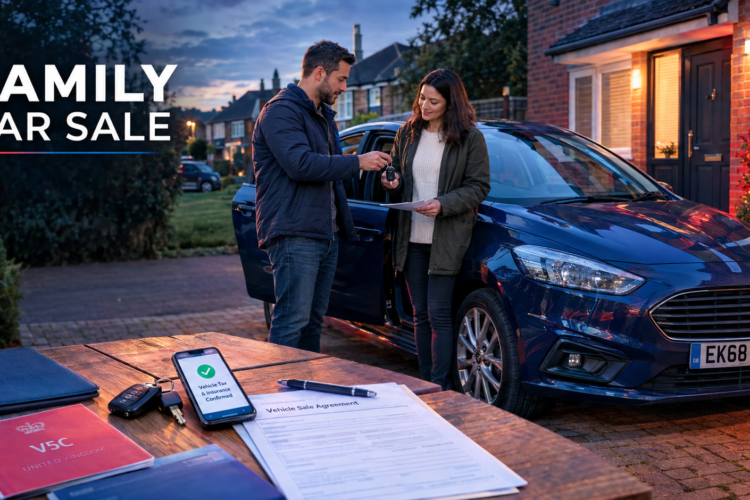
For every vehicle: You need the V5C logbook with the seller’s name and address matching their ID. Check the VIN on the vehicle matches the V5C and the number plate is correct. Ask to see the most recent MOT certificate if the vehicle is over three years old, and run your own HPI check to confirm there is no outstanding finance. Do not rely on the seller’s word — a vehicle with outstanding finance can be repossessed even if you bought it in good faith.
For trucks and commercial vehicles: If the vehicle has been used commercially, ask for the last six months of safety inspection records if it operates under an operator’s licence. If it is over 3.5 tonnes, confirm whether it is currently on an operator’s licence and whether it will be removed. Buying a vehicle that is still listed on someone else’s licence causes DVSA complications. You also need to check whether VAT applies: a used commercial vehicle sold by a VAT-registered business may carry VAT on the sale price, which you cannot reclaim unless you are also VAT-registered.
For buses and minibuses: If the vehicle has been used for hire or reward, it should have a valid Certificate of Initial Fitness (COIF) or, for newer vehicles, a type approval certificate. Ask for the maintenance records and check the last annual test. If you plan to use it commercially, you need your own operator’s licence before you start carrying passengers — you cannot just inherit the previous owner’s.
For motorbikes: The V5C is just as important as for a car. Check the frame number on the headstock matches the logbook — a bike with a mismatched frame number is often a ringer or has been rebuilt from written-off parts. Also confirm whether the bike has any aftermarket modifications like aftermarket exhausts that may affect insurance; undeclared mods can void a policy.
Where should you buy each type of vehicle in the UK?
Private sales through classifieds platforms like TopSellUKCars tend to offer lower prices than dealers but with less legal protection. A dealer sale gives you rights under the Consumer Rights Act 2015, meaning the vehicle must be of satisfactory quality, fit for purpose and as described. A private sale is largely “buyer beware”, though the seller must not misrepresent the vehicle.
For cars, both private and dealer routes work well. If you are buying privately, insist on seeing the vehicle at the registered keeper’s address on the V5C and never agree to meet in a car park. Our guide to private sale vs dealer buying walks through the trade-offs.
For trucks and pickups, dealer stock is often easier to verify because commercial dealers understand the paperwork. Private pickup sales can be genuine bargains, but many have been worked hard on farms or building sites. Look for recent receipts for major components like clutches and turbos.
For buses, you are almost certainly buying through a specialist dealer or an auction house. Ex-fleet minibuses from local councils and schools come up regularly at auction, but you need to inspect them carefully — they often have high mileage and tired interiors. A private sale of a minibus is rarer, but community groups and churches occasionally sell their own vehicles when upgrading.
For bikes, private sales dominate the sub-£5,000 market. Many sellers are genuine enthusiasts, but the proportion of written-off or clocked bikes is higher than many buyers expect. Always check the MOT history and look for mileage discrepancies. A bike with an MOT that shows 20,000 miles three years ago but 12,000 today has been clocked or has a replacement speedo. Read our guide on spotting clocked mileage on a used car — the same principles apply to bikes.
What questions should you ask the seller before viewing?
The questions vary by vehicle type, but the goal is the same: force the seller to commit to a verbal answer you can verify later.
For cars: “How many previous owners on the V5C?” “When was the timing belt last changed?” “Does it have two keys?” “Has it ever been written off or had insurance work?”
For trucks: “What has it been used for — towing, site work, long-distance?” “When was the clutch or gearbox last touched?” “Is it still on an operator’s licence?” “Is there any VAT on the sale price?”
For buses: “What is the seating capacity on the V5C?” “Does it still have a COIF or type approval?” “What was it used for before?” “When was the last full service on the brakes and suspension?”
For bikes: “Has it ever been dropped or crashed?” “When were the valve clearances last checked?” “Do you have the original exhaust and any removed parts?” “Why are you selling it?”
A seller who hesitates or gives vague answers on a specific question is not necessarily hiding something, but you should dig further during the inspection.
How to negotiate a fair price without being rude
Negotiation in the UK is expected, but it works differently depending on the vehicle type and the seller.
For cars, private sellers usually price in a small buffer of £200 to £500 on a £5,000 car. Pointing out specific faults — worn tyres, an overdue service, a cracked number plate — is more effective than saying “what’s your best price?”. If you are buying from a dealer, negotiate on the total price including any admin fees, not the sticker price. Our guide to negotiating a used car price in the UK covers this in more depth.
For trucks, negotiation often centres on what is included. A pickup with a hard top, tow bar and recent tyres is worth more than one without. Ask for these extras to be included or the price reduced accordingly. Commercial sellers are used to negotiation and expect you to push on price, but they are less likely to move on stock that is already competitively priced against other dealer listings.
For buses, unless you are buying a minibus with obvious cosmetic wear, the seller usually knows exactly what the vehicle is worth. Auctions set their own price via bidding. For a private minibus sale, use the MOT history and any upcoming expensive work as leverage, but expect less room to move than with a car.
For bikes, sellers are often emotionally attached. Pointing out faults in a confrontational way will make them defensive. Instead, frame it as “I’d need to budget for new tyres and a chain, so could we meet in the middle at X?” That works better than criticising the bike.
Final summary: choose the vehicle that matches your licence, use and annual budget
There is no single “best” used vehicle in the UK — only the one that fits your circumstances. If you are a private buyer commuting or running a family, a used car with a clean MOT history and a clear HPI check is almost always the sensible choice. If you need to move tools, tow a trailer or handle rough rural roads, a used pickup or light truck can replace two vehicles, but expect higher fuel and insurance bills and check your licence entitlement before viewing. A bus or minibus only makes sense for a specific commercial or community purpose, and the regulatory burden is significantly higher than buying a car. A motorbike offers the cheapest way to get on the road, but it is a lifestyle purchase, not a practical family vehicle.
Before you buy anything, run the same non-negotiable checks: DVLA MOT history, HPI check, V5C and VIN match, and a proper physical inspection. If you are still shortlisting vehicles, browse the latest used car listings on TopSellUKCars and filter by your budget, fuel type and location. The more specific you are about how you will actually use the vehicle each week, the less likely you are to buy something you regret by the first MOT.